Choosing the Right Kid Girl Question Vector for Educational and Creative Projects
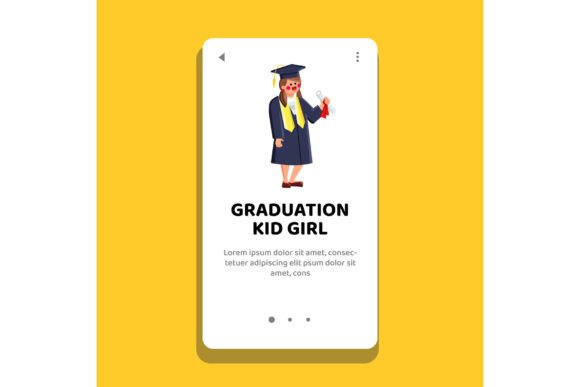
In the rapidly evolving landscape of digital content creation, the demand for high-quality, relatable imagery has never been higher. Whether you are an educator designing a new curriculum, a marketer crafting a campaign for family-oriented products, or a web developer building an interactive learning platform, the visuals you choose play a pivotal role in communication. One specific asset that has gained significant traction is the Kid Girl Question Vector. This illustration typically features a curious young girl, often depicted in a school setting, raising her hand or displaying a thought bubble to signify inquiry, doubt, or the pursuit of knowledge. While it may seem like a simple graphic, selecting and implementing this type of vector art requires a nuanced understanding of design principles, licensing, and audience psychology.
Understanding the Appeal of Curious Character Illustrations
The primary reason creators gravitate toward a child little character asking a question is its universal appeal. It instantly humanizes abstract concepts. In smart education materials, for instance, seeing a peer express confusion or curiosity validates the learner’s own feelings. It transforms a dry lesson into a relatable narrative. The school idea behind such imagery is to foster an environment where asking questions is celebrated rather than stigmatized. When used correctly, a solution doubt visual can bridge the gap between complex information and user comprehension, making it an invaluable tool for bloggers, freelancers, and small business owners alike.
Common Pitfalls in Selecting Vector Assets
Despite the clear benefits, many beginners and even some professionals make critical errors when sourcing these graphics. The most frequent mistake is overlooking the technical format. You might find a stunning web flat cartoon illustration that looks perfect on your screen, only to discover it is a low-resolution JPG rather than a scalable EPS file. Using raster images like JPGs for print materials or large-scale displays results in pixelation, which undermines the professional quality of your project. Always prioritize vector formats such as EPS or SVG when possible, as they allow for infinite scaling without loss of quality.
Another common misunderstanding relates to stylistic consistency. A curious kid girl question graphic might look charming in isolation, but if its line weight, color palette, or shading style clashes with the rest of your brand identity, it will appear disjointed. Many creators download assets from various sources without checking if they belong to the same design family. This lack of cohesion can confuse your audience and dilute your message. Before downloading, compare the new asset with your existing library to ensure visual harmony.
Licensing and Usage Rights: What You Need to Know
Perhaps the most dangerous oversight involves licensing. Not all vectors labeled as "free" are free for commercial use. Many educators and entrepreneurs assume that because an image is available online, they can use it in paid courses, merchandise, or client projects. This is rarely the case. Using a restricted asset can lead to legal complications, fines, and the forced removal of your content. Always read the license agreement carefully. Look for terms like "Commercial Use Allowed" or "Royalty-Free." If the license is unclear, contact the creator directly or choose a different source. Protecting your work starts with respecting the intellectual property of others.
Optimizing for Web and Print Efficiency
When integrating a Kid Girl Question Vector into a digital platform, file size matters. High-detail EPS files can be heavy, slowing down website load times if not properly optimized. For web use, consider converting the vector to an SVG or a highly compressed PNG after ensuring the resolution is appropriate. This balance between quality and performance is crucial for user experience. Conversely, for print materials like brochures or textbooks, ensure the vector is exported at the correct CMYK color profile to avoid unexpected color shifts during printing.
Additionally, pay attention to the emotional tone of the illustration. A "smart education" graphic should convey genuine curiosity, not frustration or fear. Some illustrations inadvertently depict the child looking stressed or overwhelmed, which can have a negative psychological impact on young learners. Choose images where the character’s expression is open, engaged, and hopeful. This subtle detail reinforces the positive message that seeking answers is a rewarding process.
Practical Steps for Better Decision-Making
To avoid these pitfalls, adopt a systematic approach when evaluating potential assets. Start by defining the specific context in which the image will be used. Is it for a mobile app icon, a classroom poster, or a social media post? This clarity will guide your choice of format and style. Next, create a checklist of requirements:
- Format: Do you need editable layers (EPS/AI) or a ready-to-use web file (SVG/PNG)?
- Style: Does the flat cartoon aesthetic match your current design system?
- License: Is commercial use permitted, and are there any attribution requirements?
- Emotion: Does the character’s expression align with the supportive tone you wish to convey?
By addressing these points before downloading, you save time and ensure higher quality outcomes. It is also wise to maintain a curated library of trusted resources. Building relationships with reputable stock agencies or independent artists can provide access to consistent, high-quality collections that meet your specific needs.
Enhancing Communication Through Visual Storytelling
Ultimately, the goal of using a kid girl question vector is to enhance communication. These images are not just decorative; they are functional tools that guide the viewer’s attention and emotion. When you avoid common mistakes regarding format, style, and licensing, you empower yourself to create more effective, engaging, and professional content. Whether you are explaining a complex math problem or promoting a new educational toy, the right visual can make all the difference.
Remember that simplicity often yields the best results. A clean, well-designed vector with clear lines and balanced colors will always outperform a cluttered, overly detailed illustration. Keep the focus on the message, not just the medium. By choosing wisely and implementing thoughtfully, you can leverage the power of visual storytelling to connect with your audience on a deeper level.
Final Considerations for Creators
As you move forward with your projects, keep testing and iterating. Show your designs to a small group of your target audience—whether they are students, parents, or clients—and gather feedback. Do they find the character relatable? Is the question mark clear? Does the overall composition feel balanced? This real-world validation is invaluable. It ensures that your choice of a Kid Girl Question Vector truly serves its purpose: to inspire curiosity, clarify doubts, and support smart education initiatives. With careful selection and mindful application, these simple illustrations can become powerful allies in your creative toolkit.